Target Marketing Plan
Project Overview
Challenge
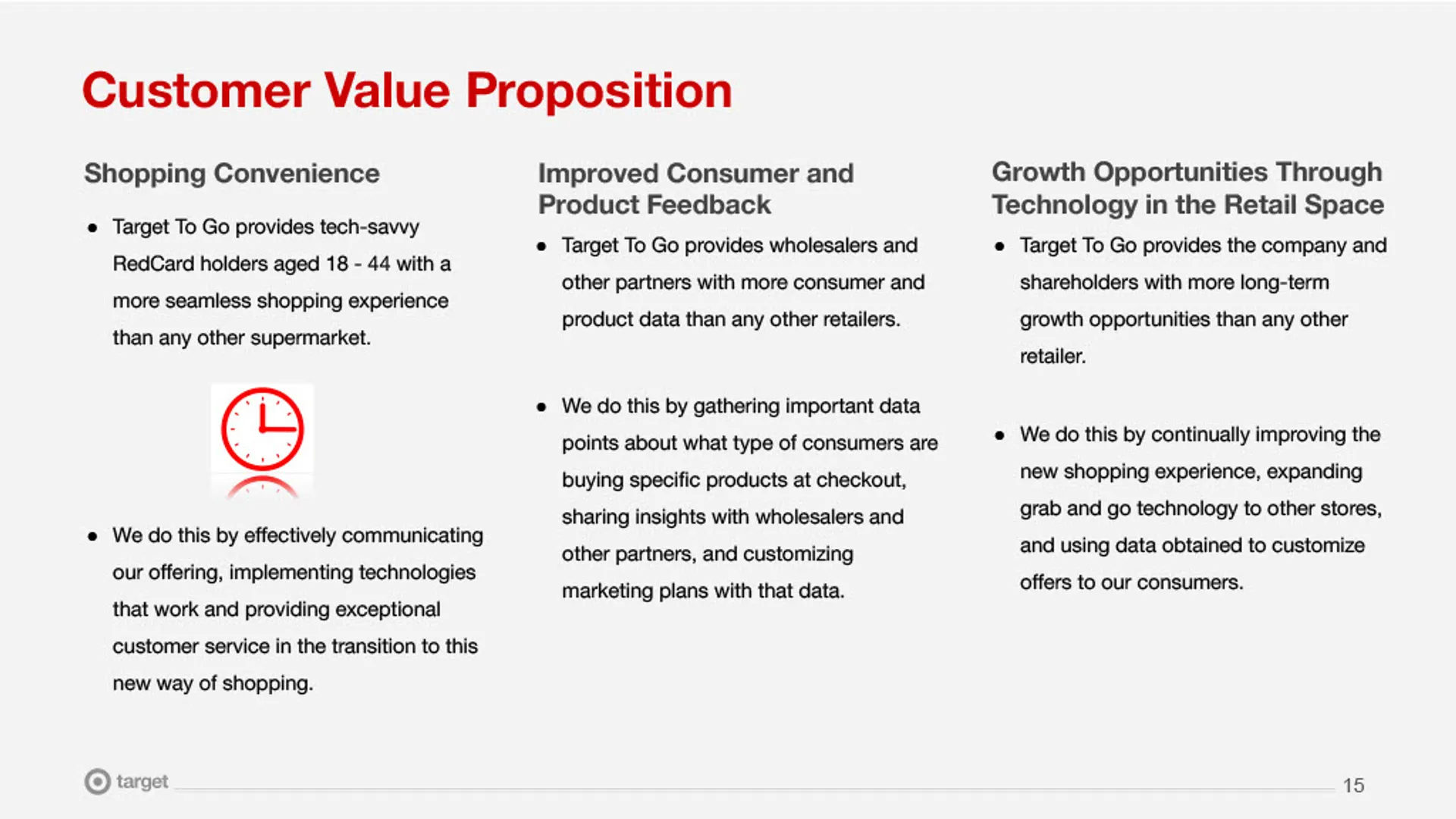
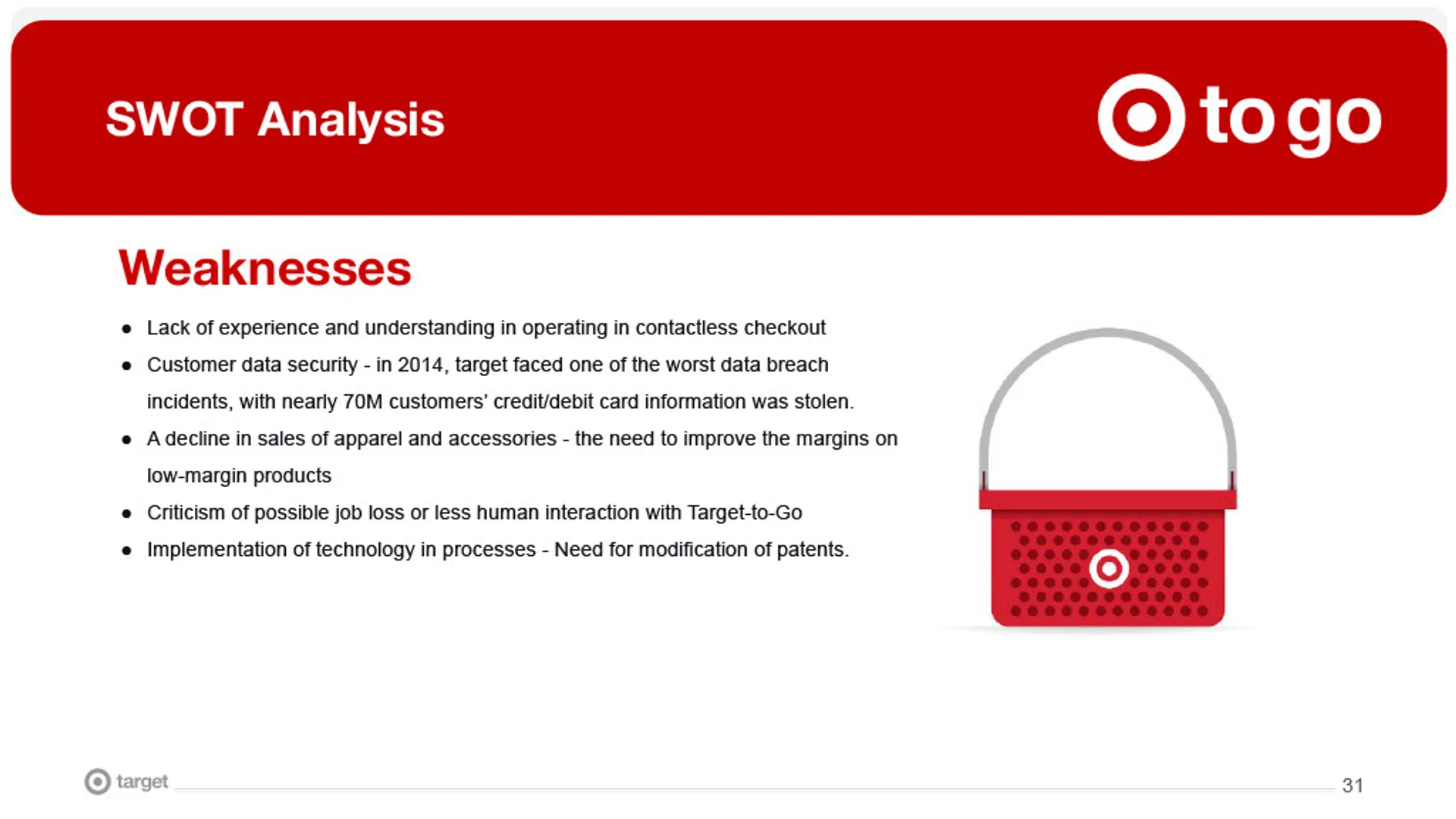
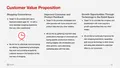
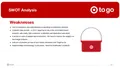
Traditional in-store shopping creates friction through long checkout lines, inefficient flow, and unnecessary cognitive load—especially in dense urban environments. Target needed a way to meet rising consumer expectations for speed and convenience while maintaining trust, brand familiarity, and a broad product offering beyond food-only cashierless models.
Solutions
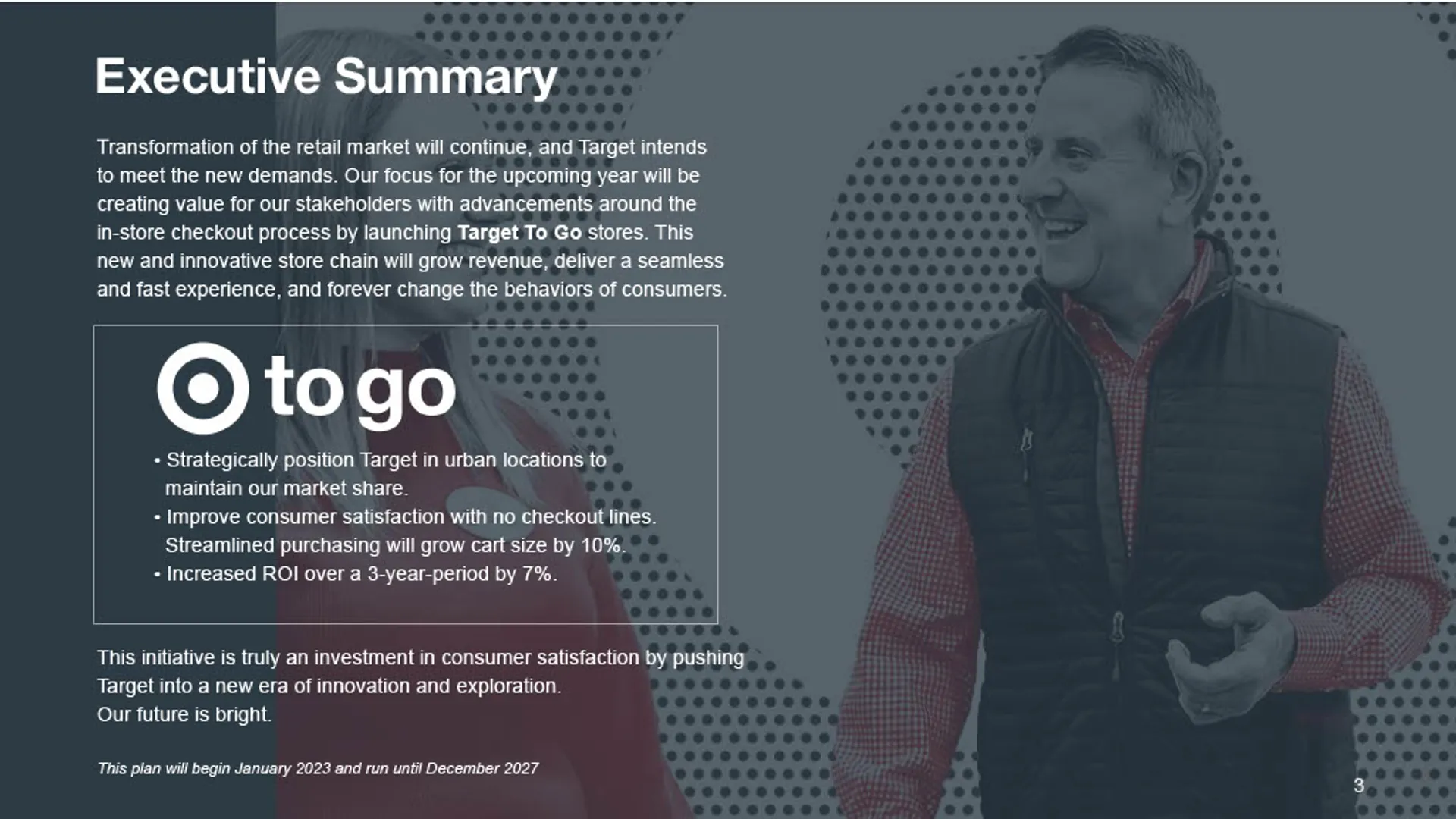
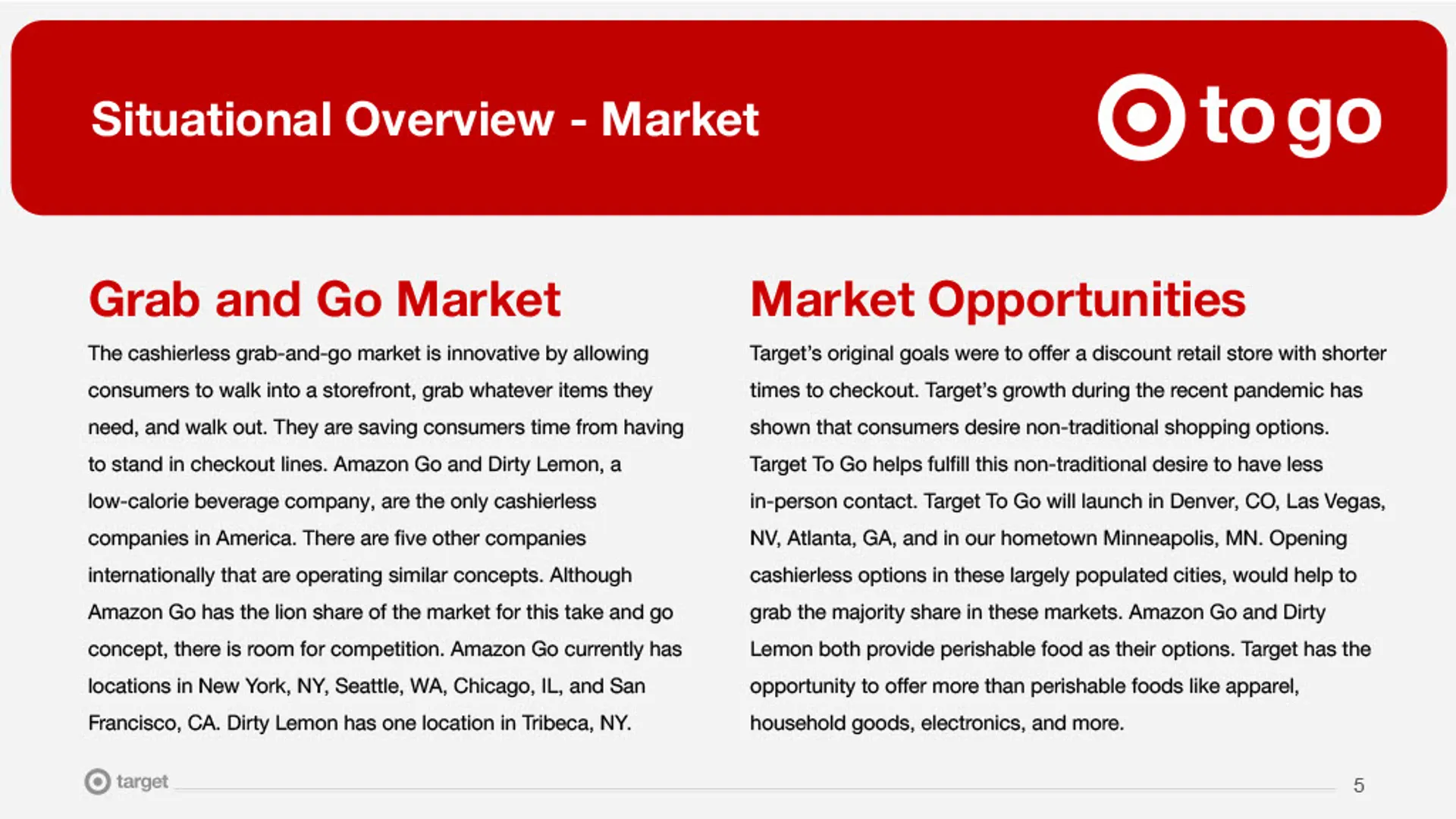
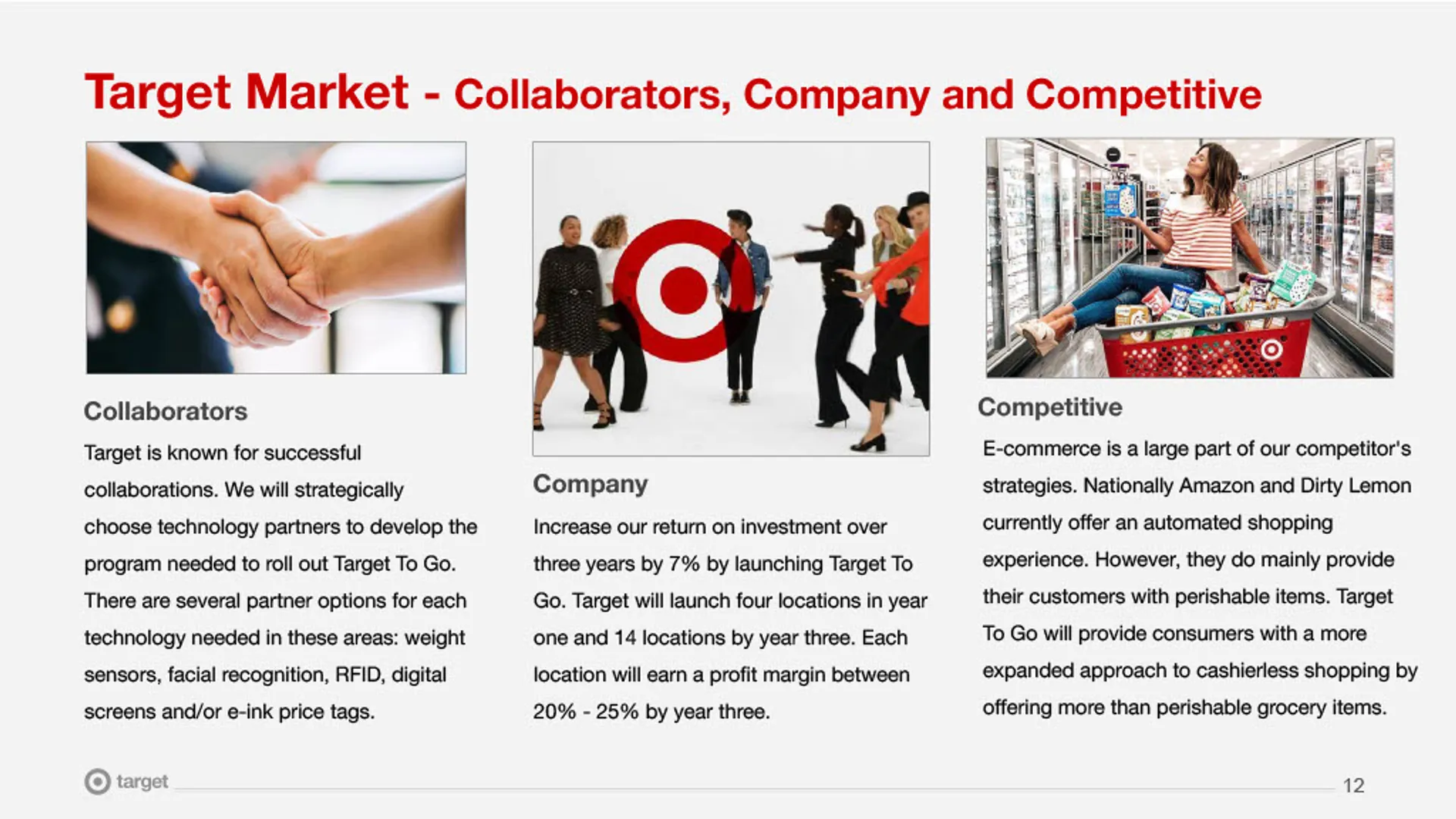
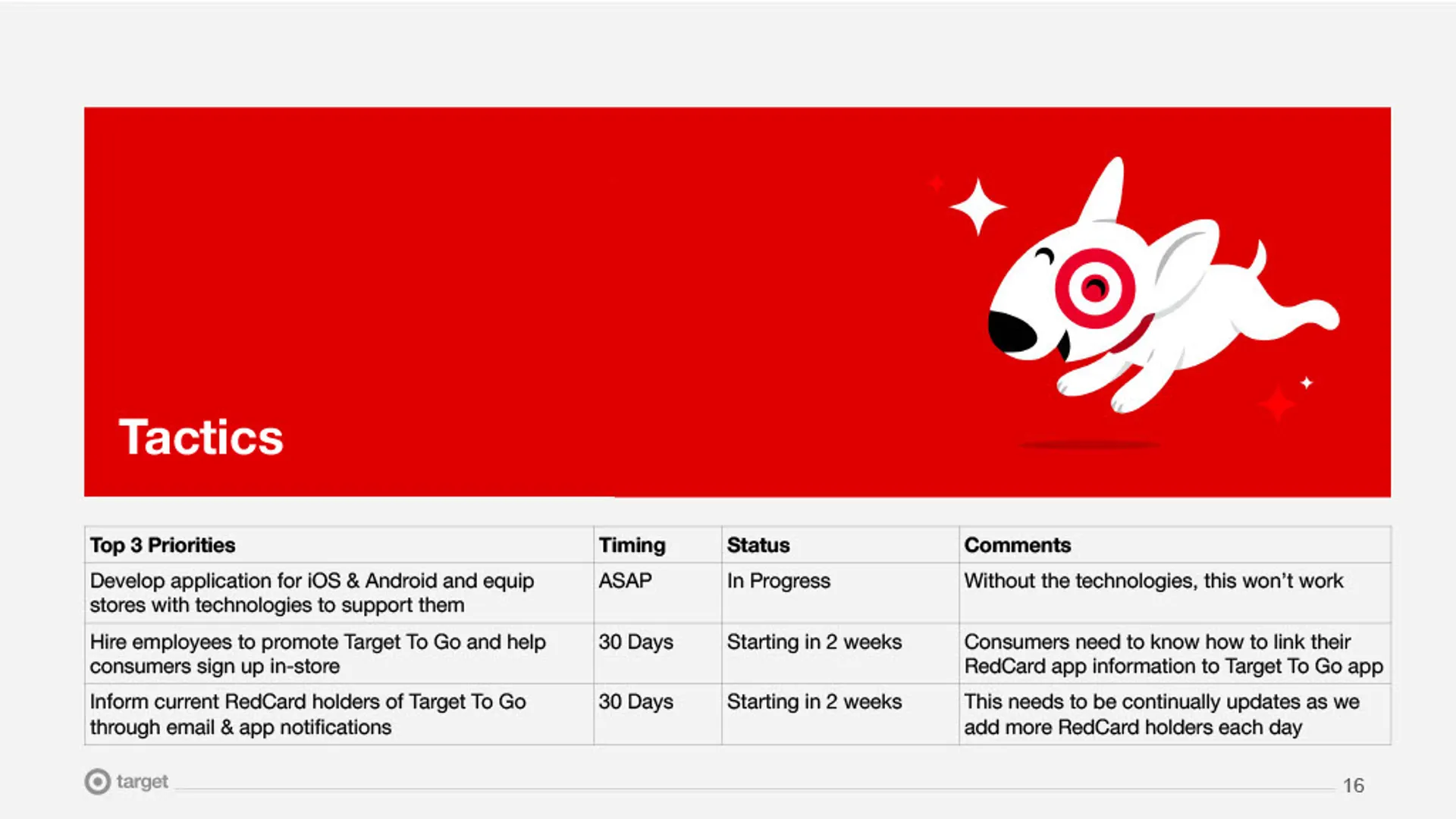
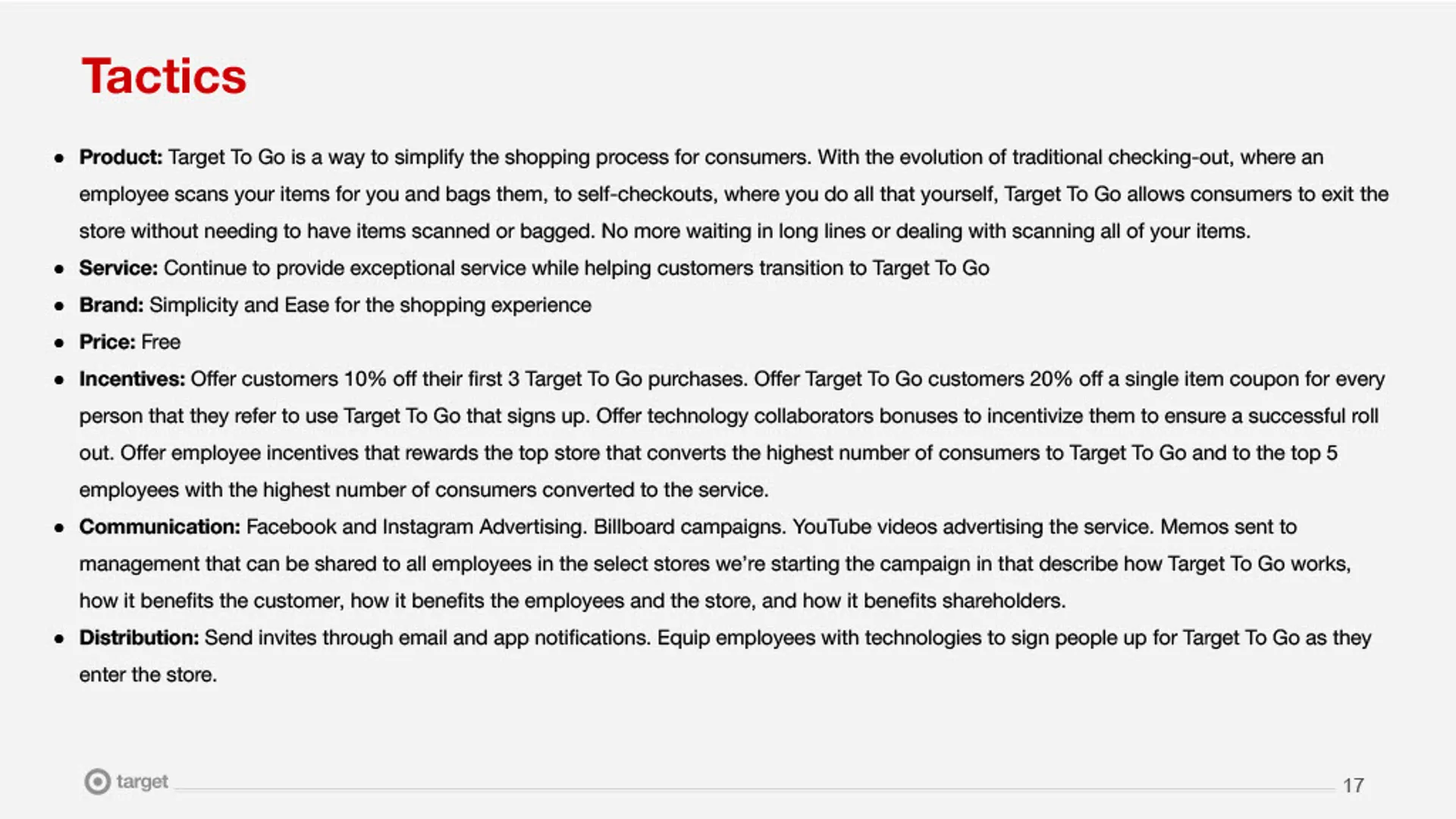
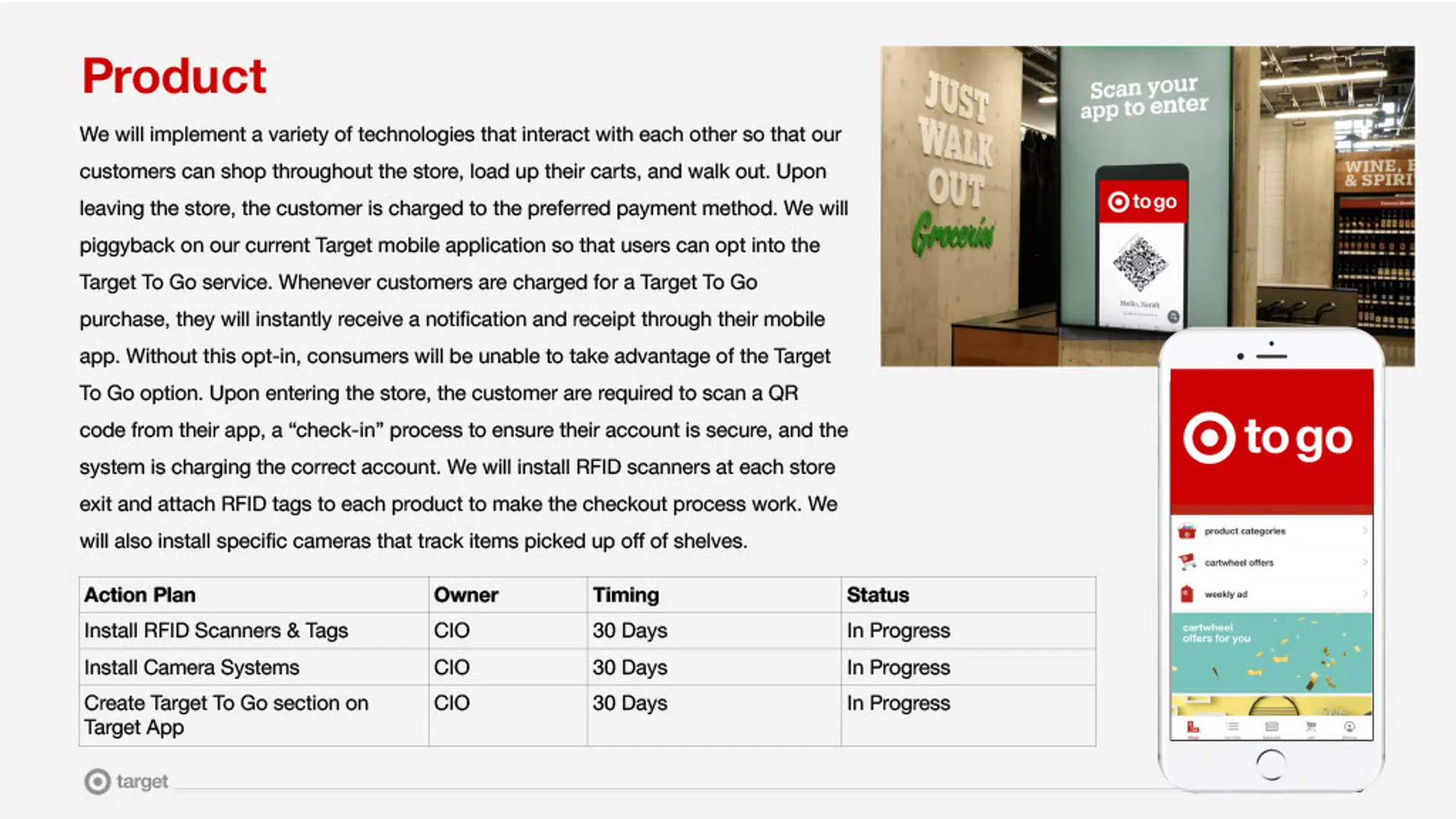
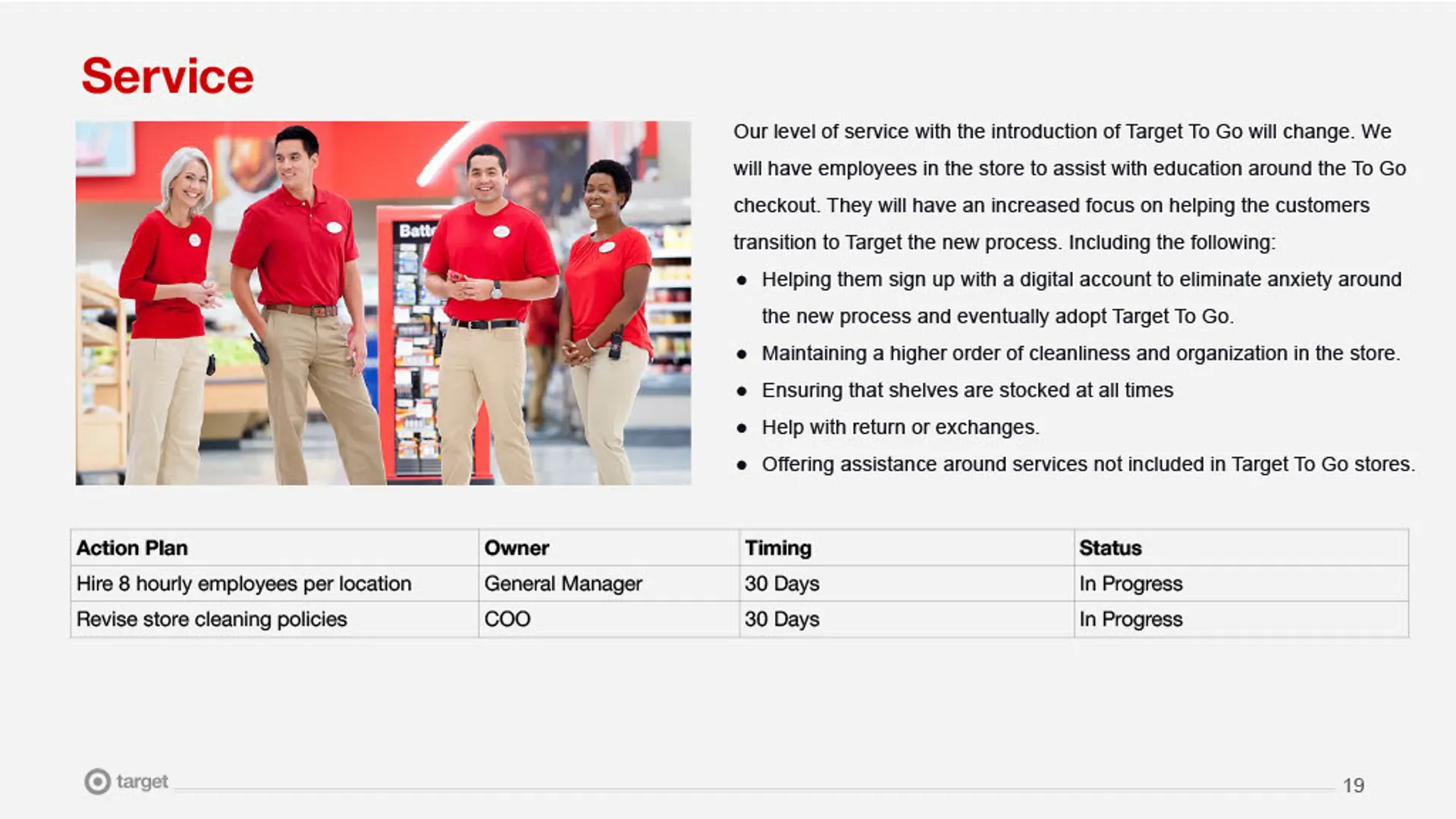
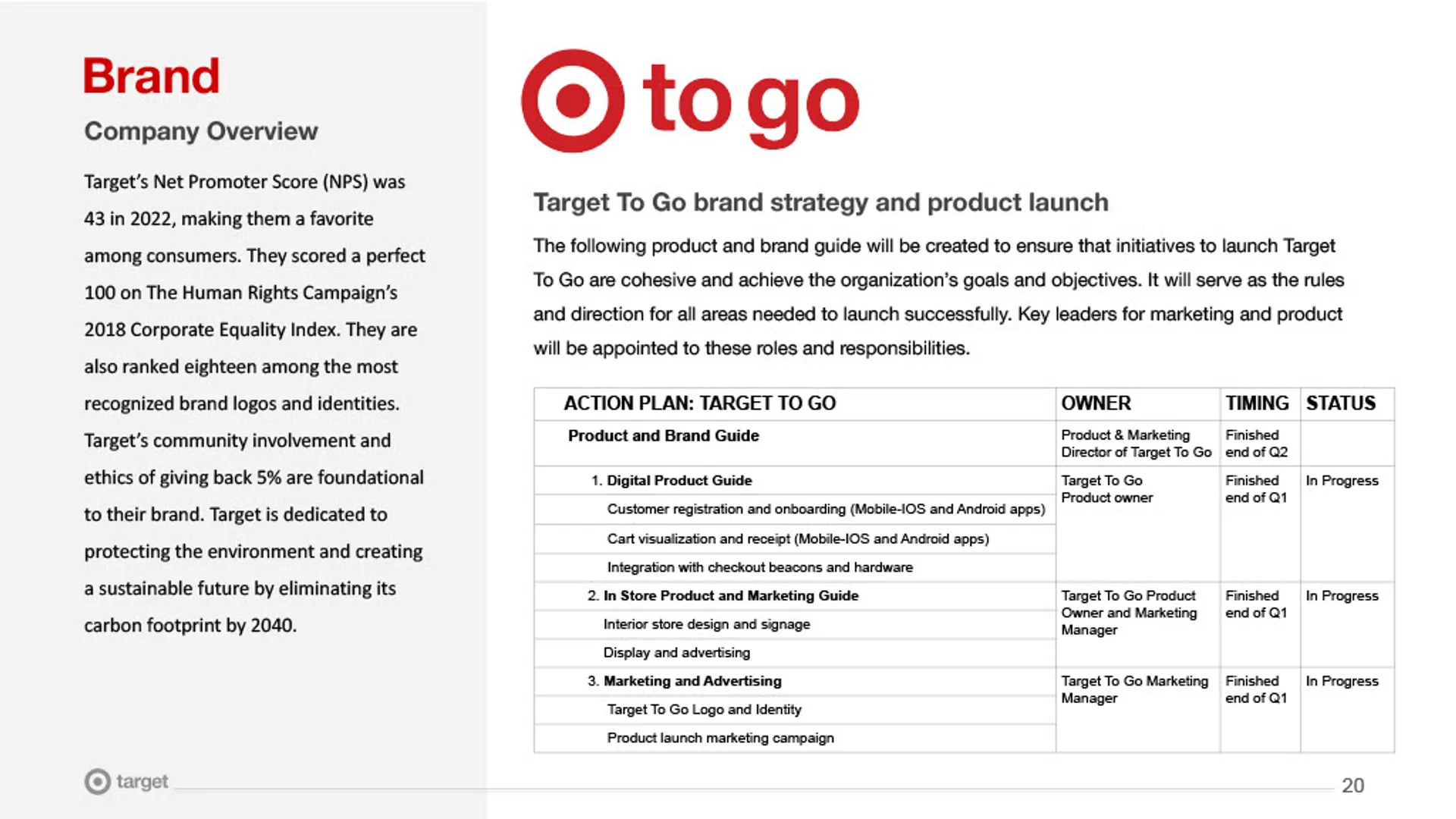
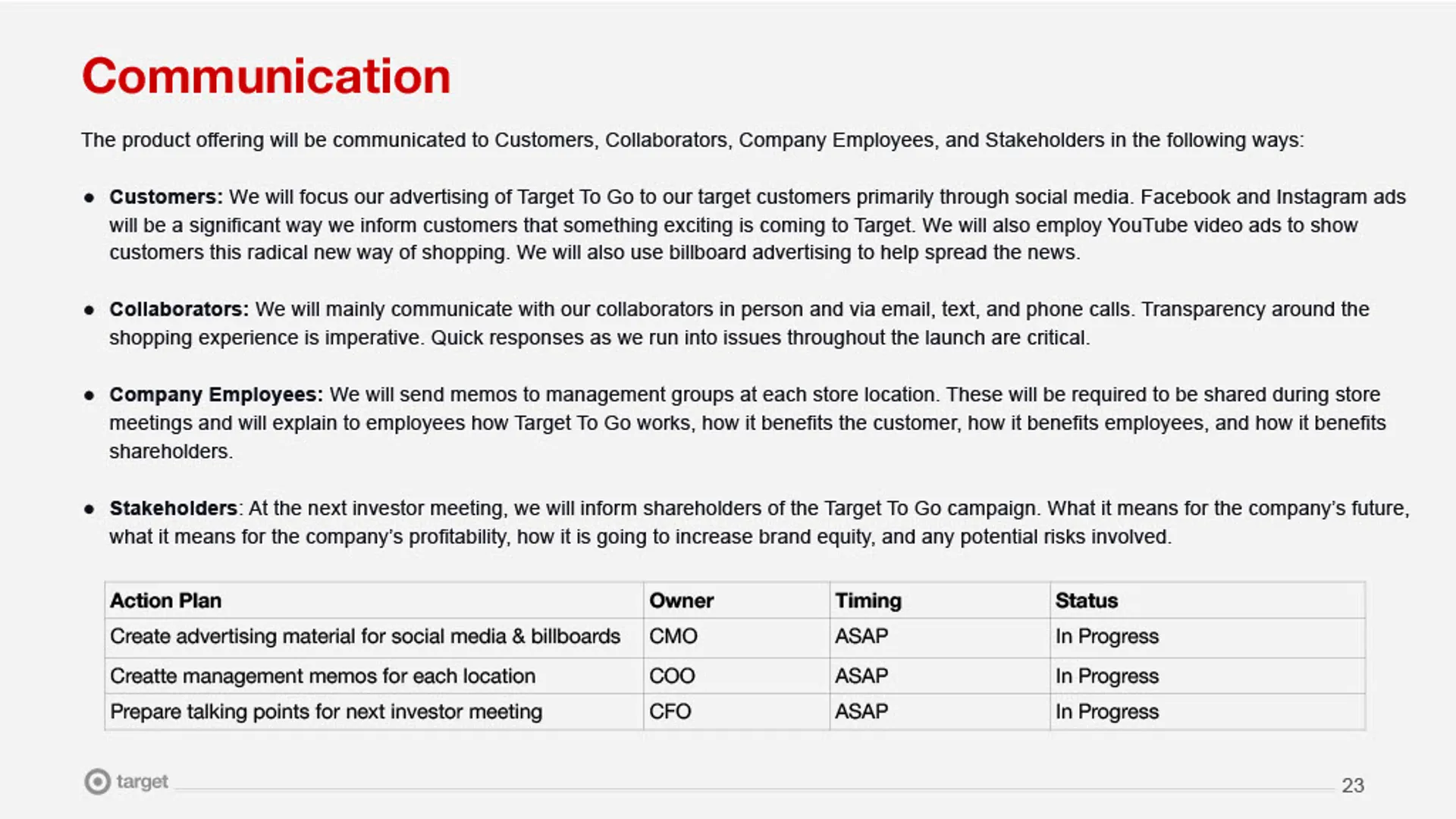
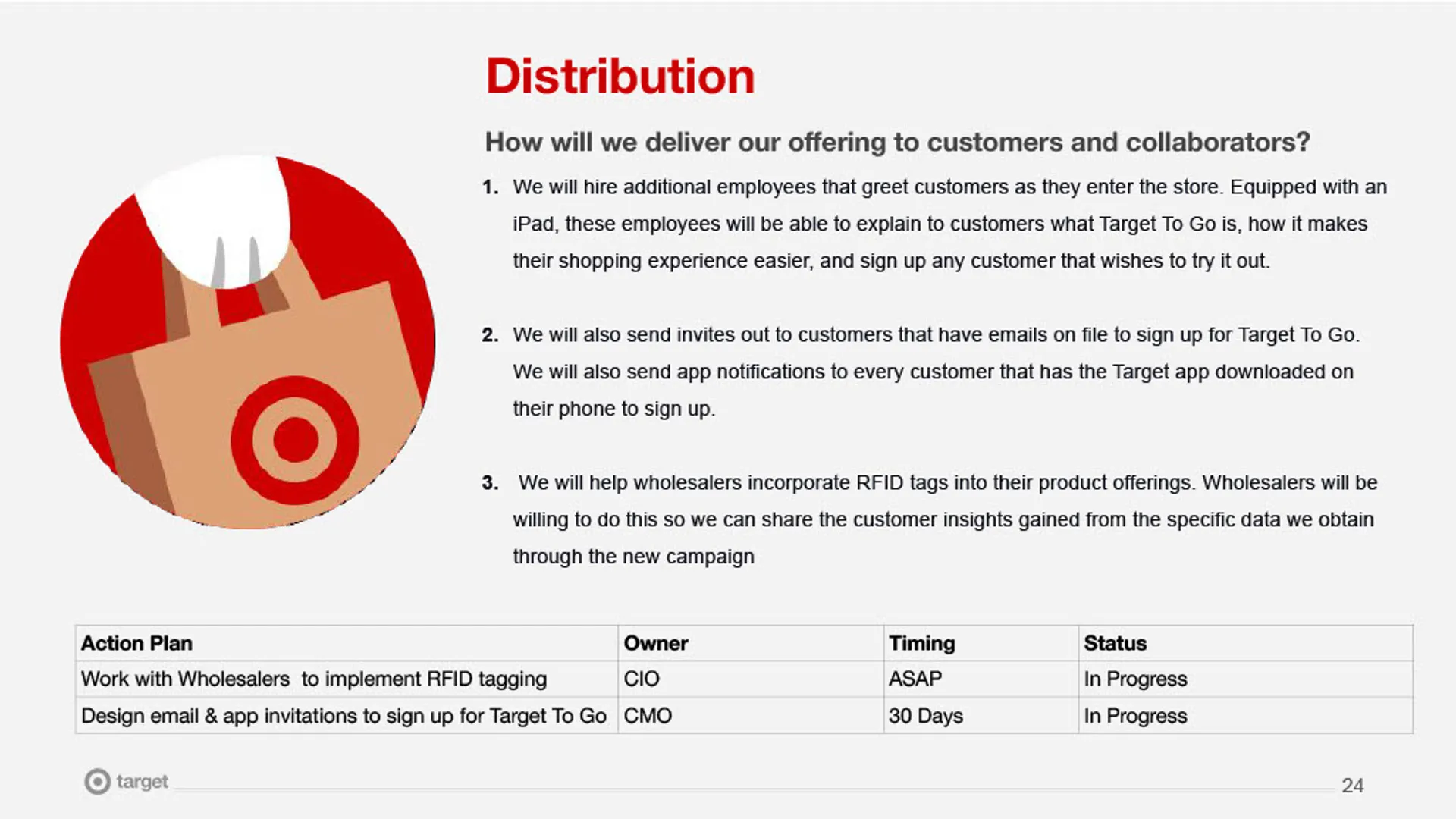
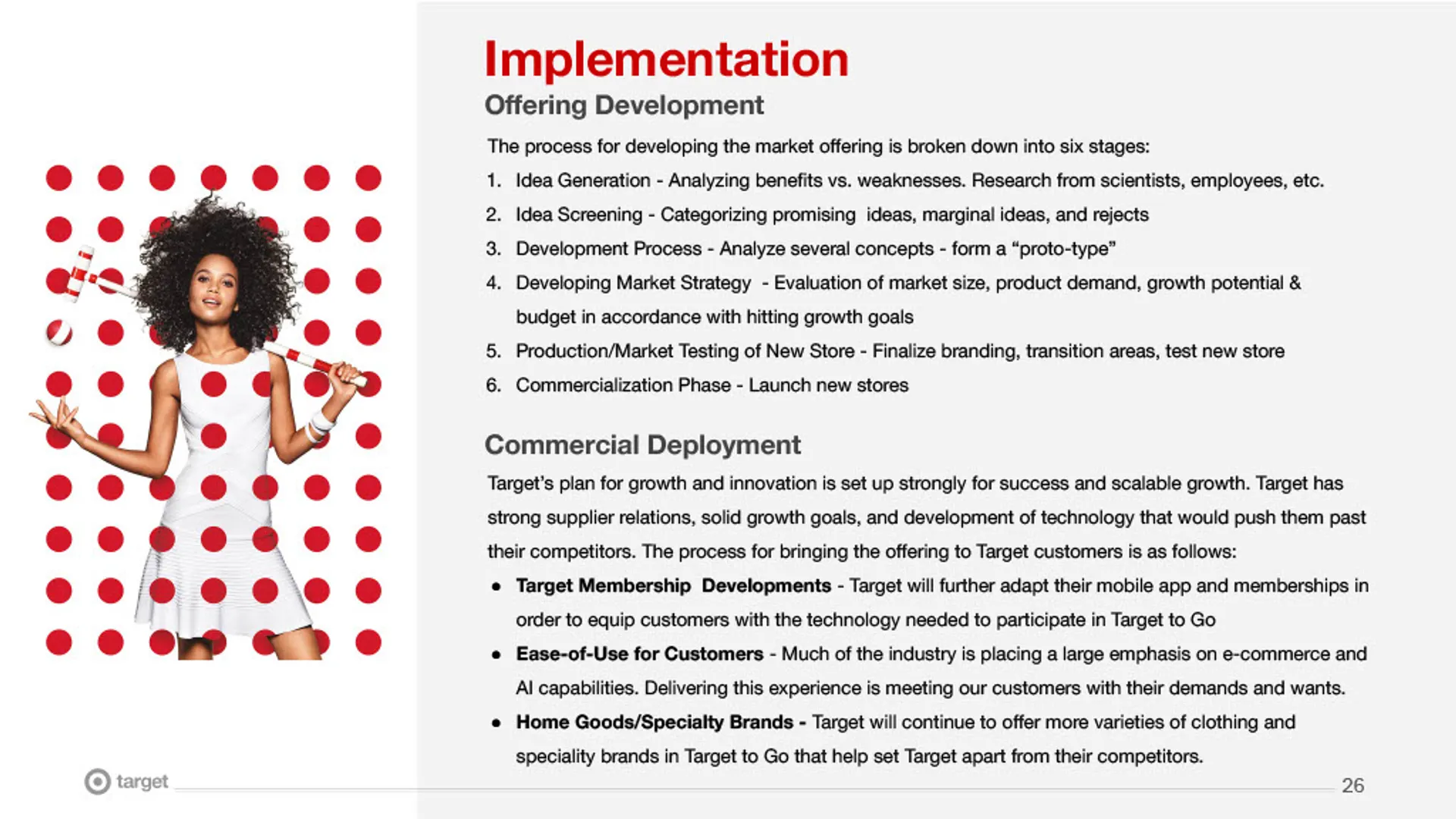
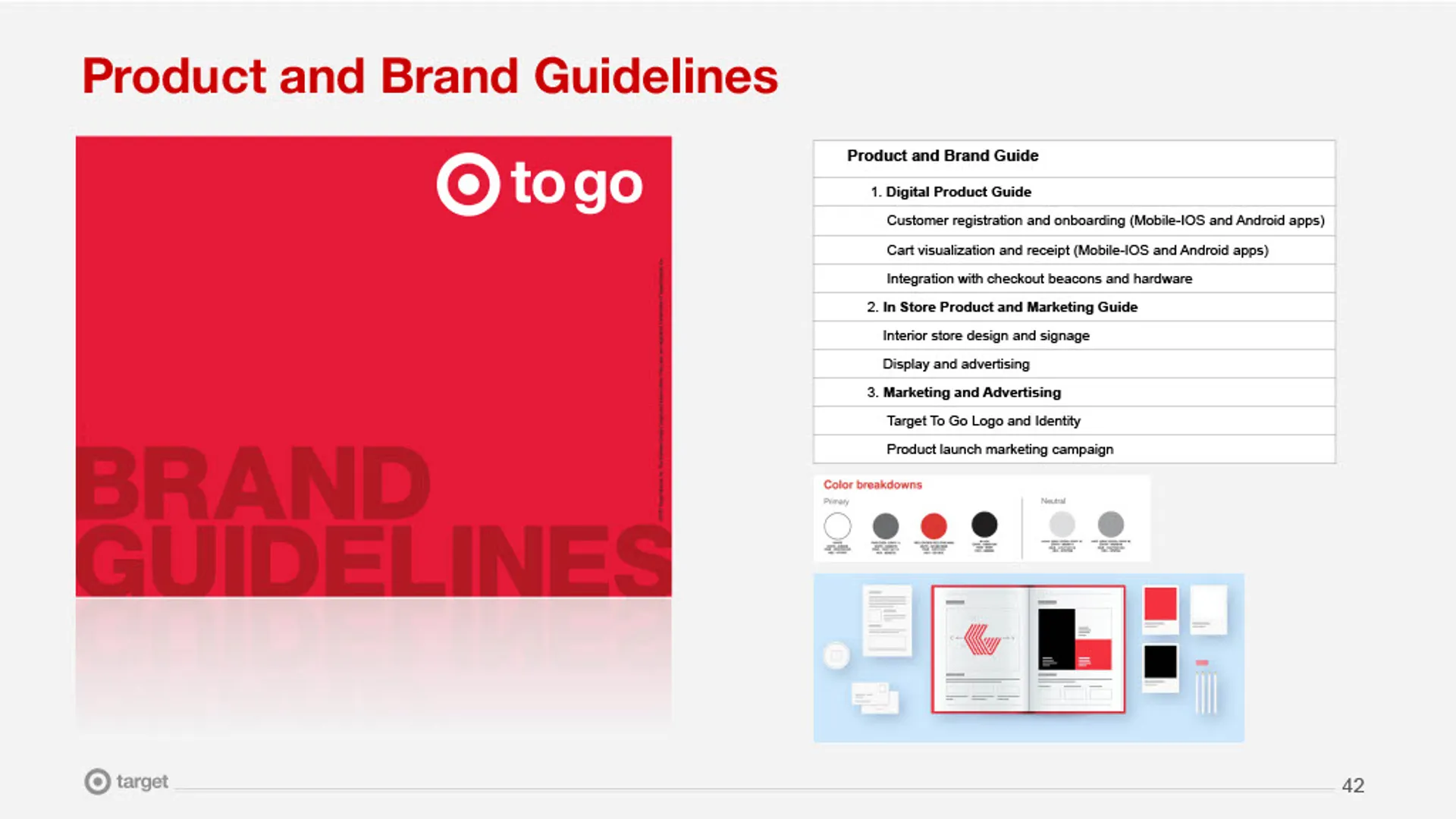
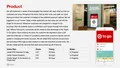
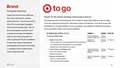
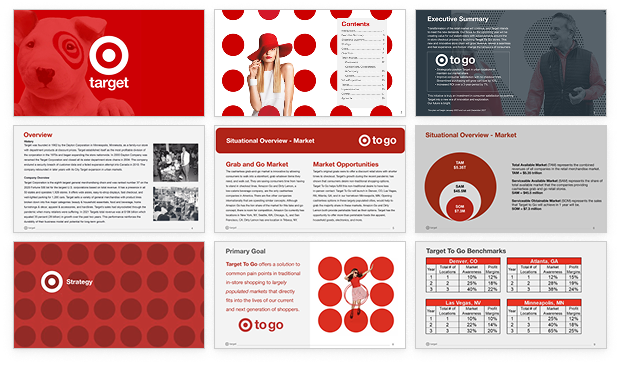
We designed Target To Go, a cashierless, grab-and-go retail concept that allows customers to enter, shop, and leave without waiting in checkout lines. The experience centered on mobile onboarding, in-store guidance, and seamless payment integration, while differentiating Target from competitors by offering apparel, household essentials, and specialty items—not just groceries. The final marketing plan demonstrated how research-driven marketing and design could reduce friction, improve convenience, and support scalable innovation in physical retail.
Role
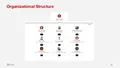
Working as part of a cross-functional team, I contributed to market research, synthesis, and experience design, helping translate market insights and consumer behaviors into a clear experience vision.
Design & Research Tools
Design Tools: Figma (flows & UI), FigJam/Miro (mapping & workshops), Slides (storytelling & reviews)
Research: Nielsen (consumer trends),
Pew Research (demographics), IBISWorld (market analysis).
Key Objectives
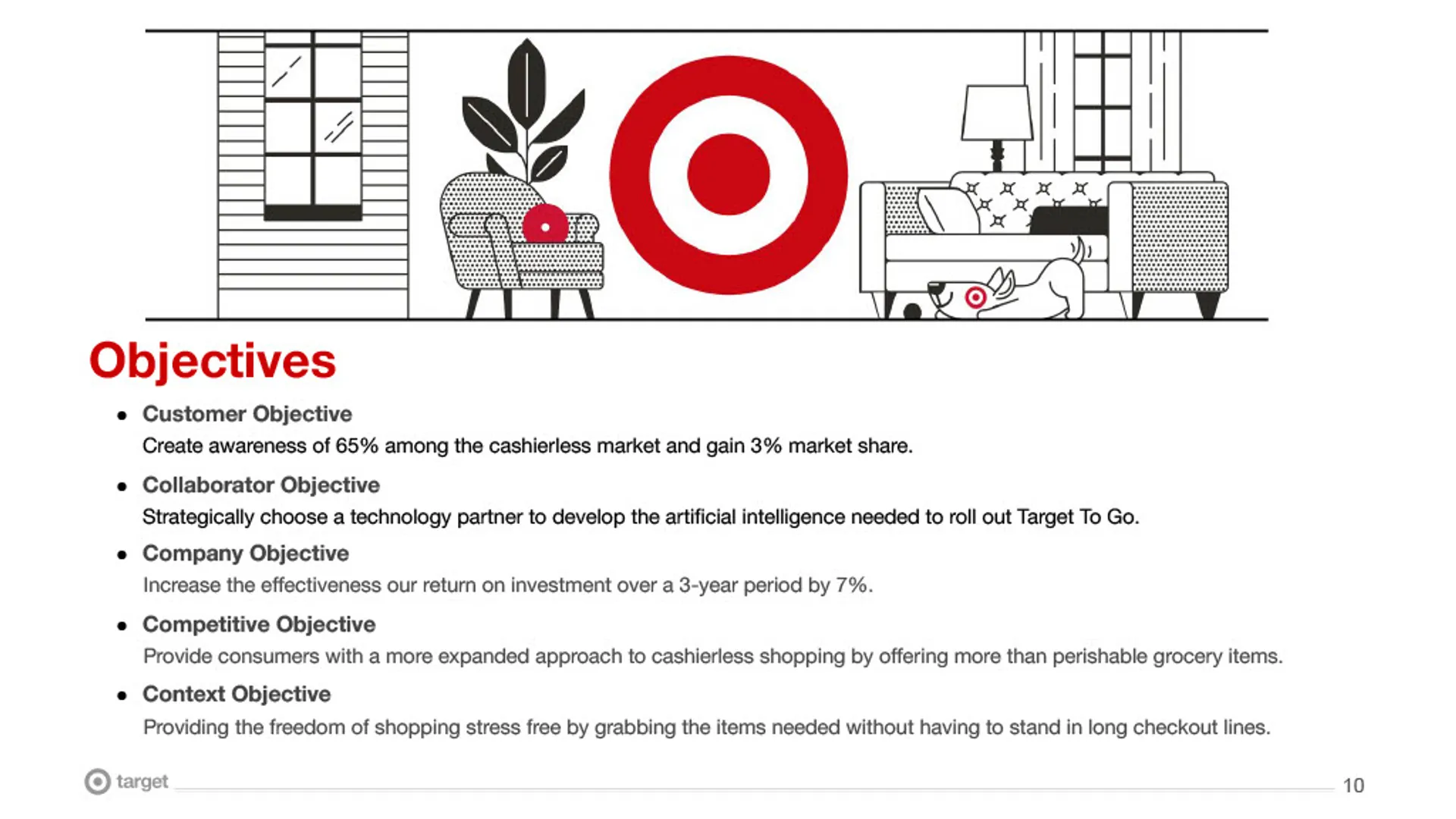
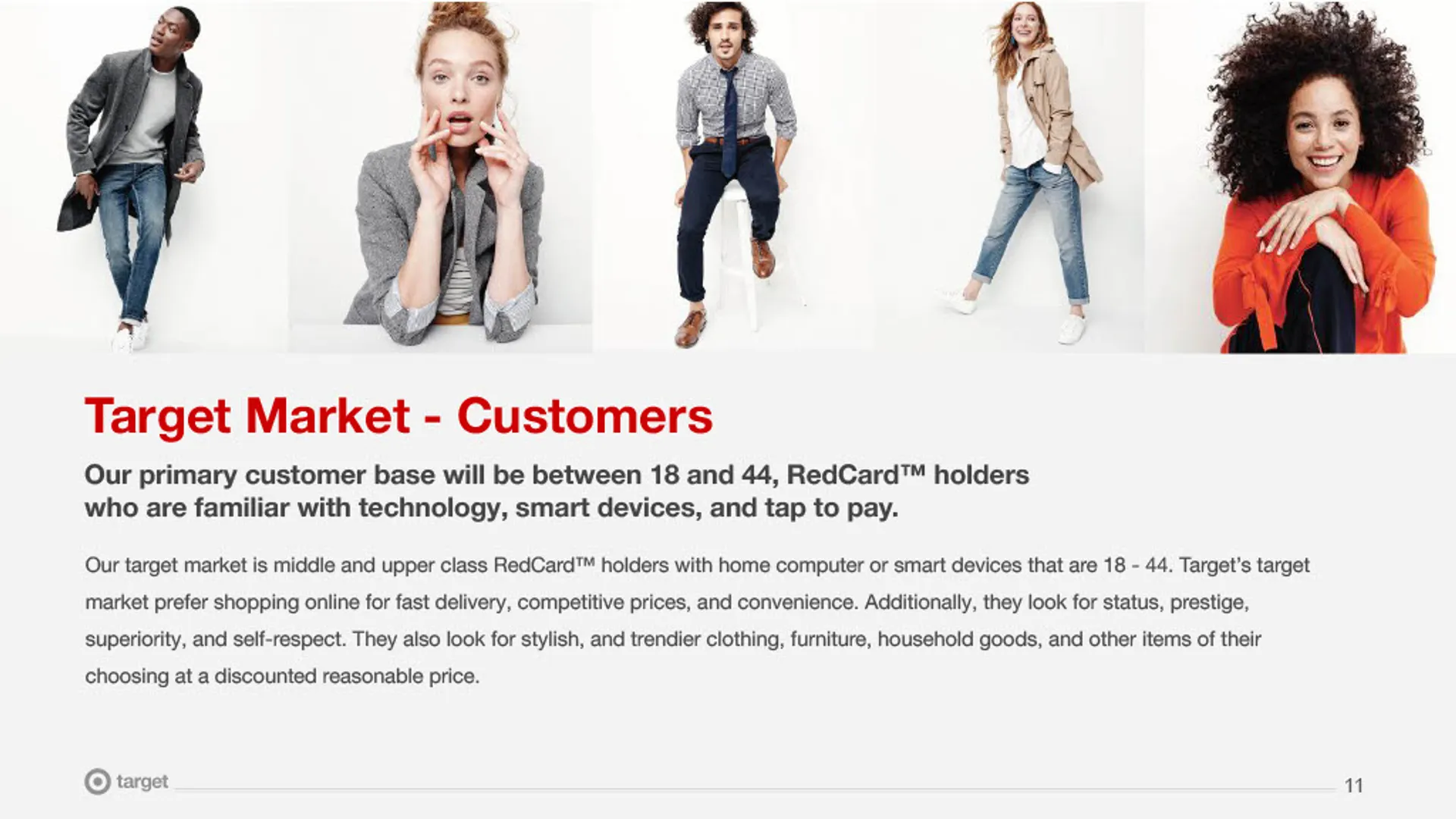
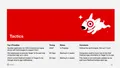
- Deliver fast, convenient shopping for tech-savvy customers aged 18–44.
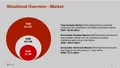
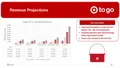
- Achieve 65% market awareness and 3% market share in the cashierless segment.
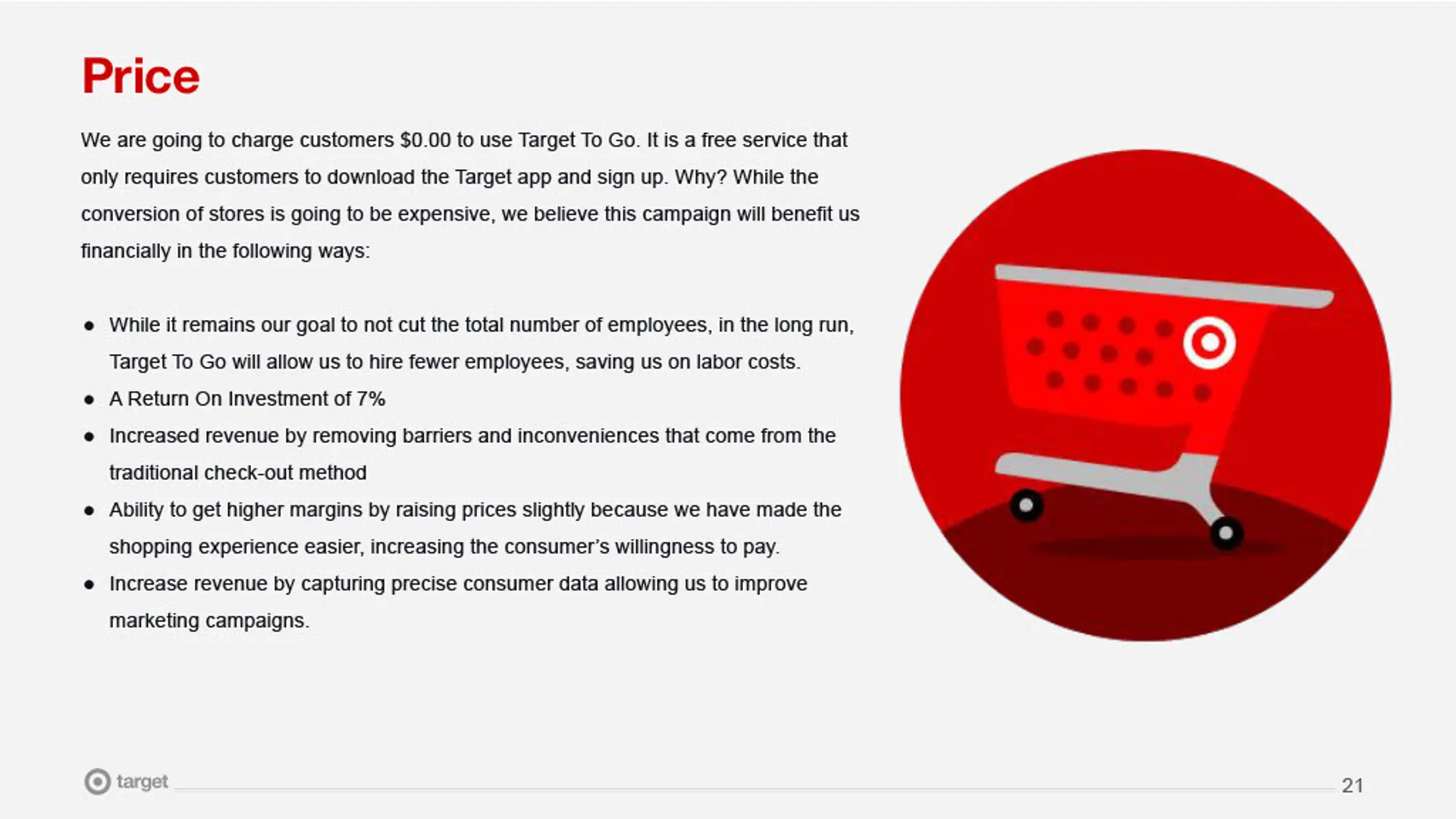
- Increase ROI by 7% over three years.
Strategic Highlights
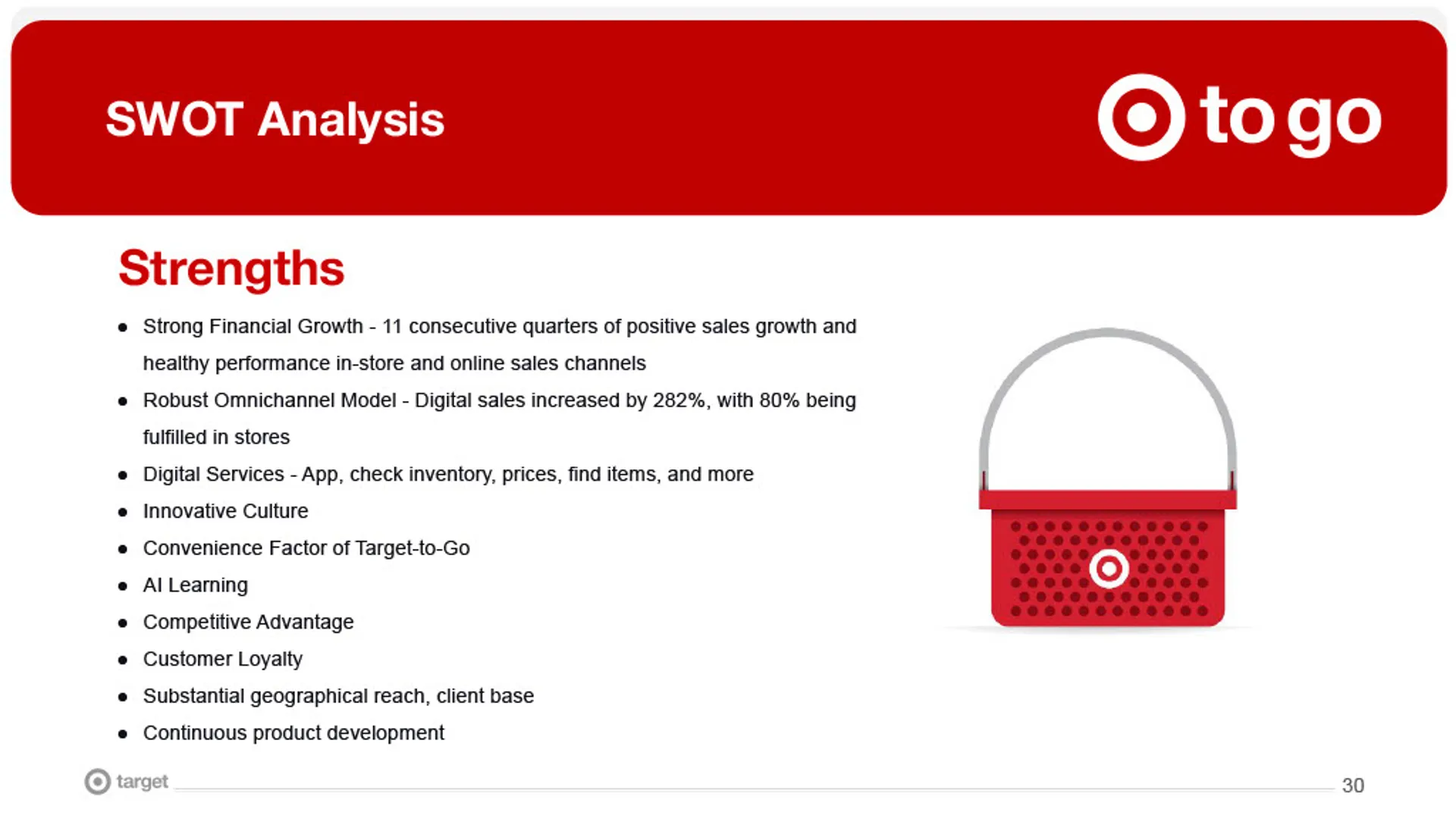
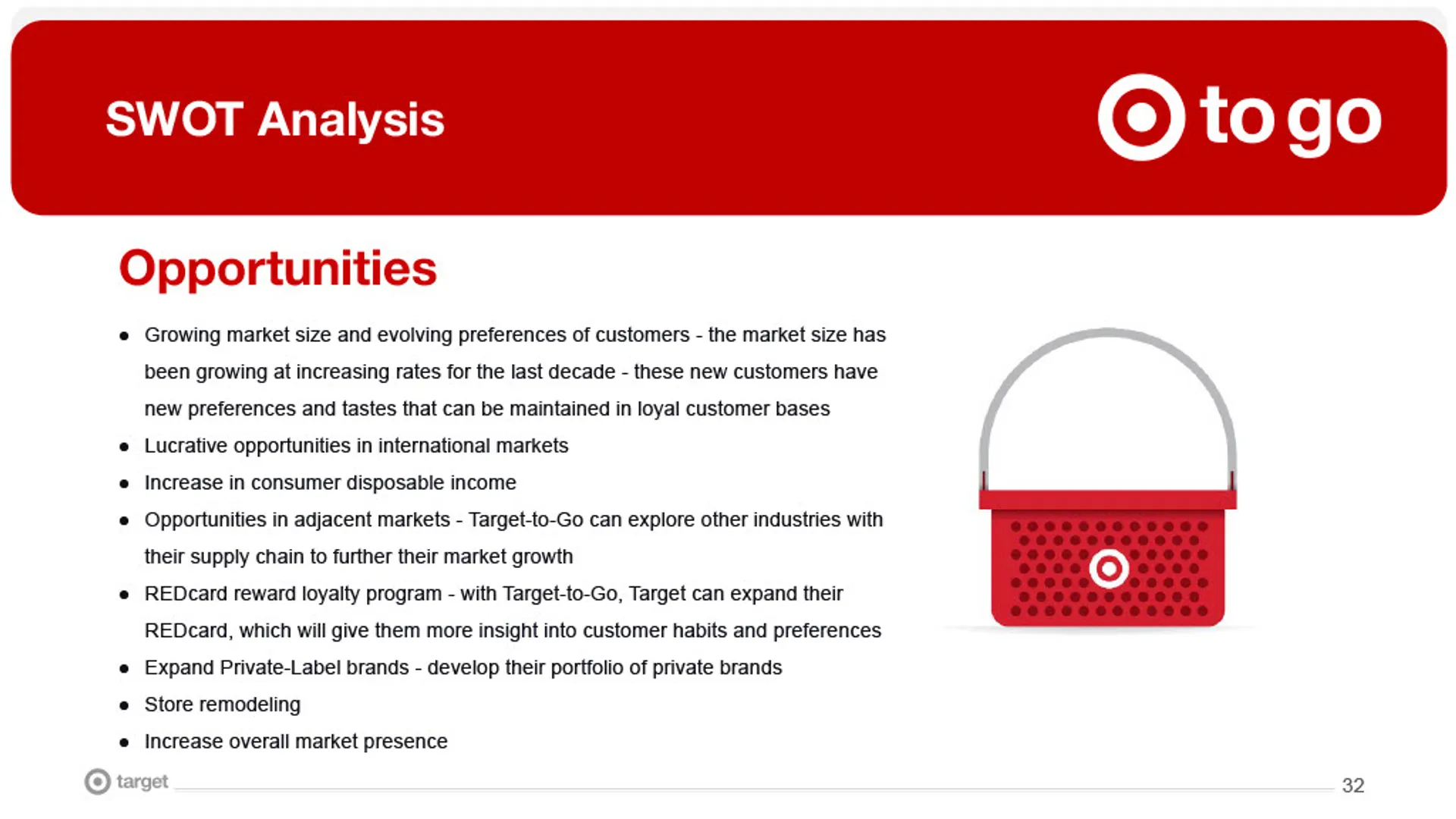
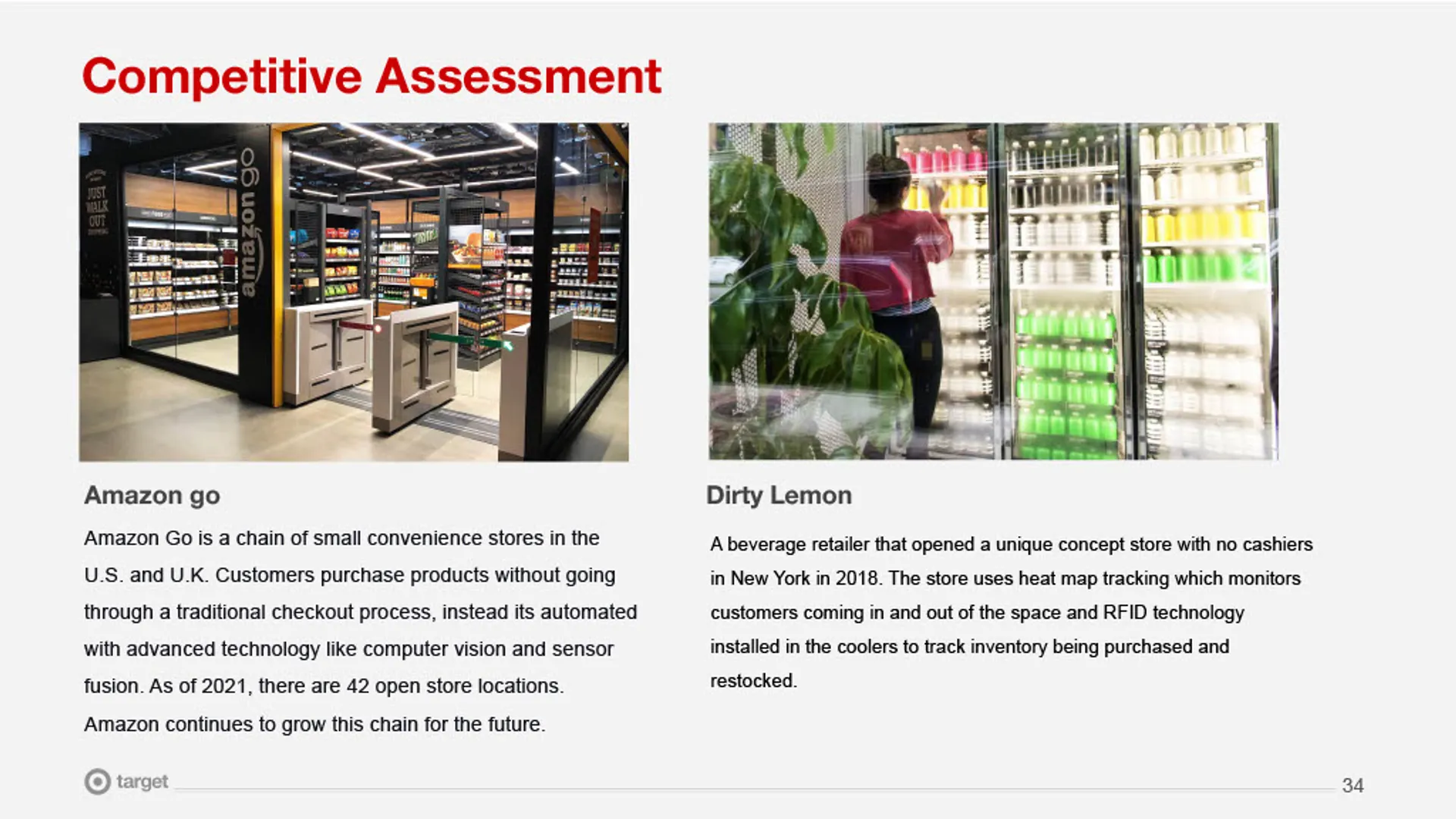
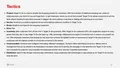
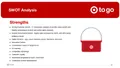
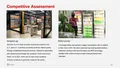
- Broader product selection than competitors (not just groceries).
- Strong focus on customer experience, digital engagement, and data-driven growth.
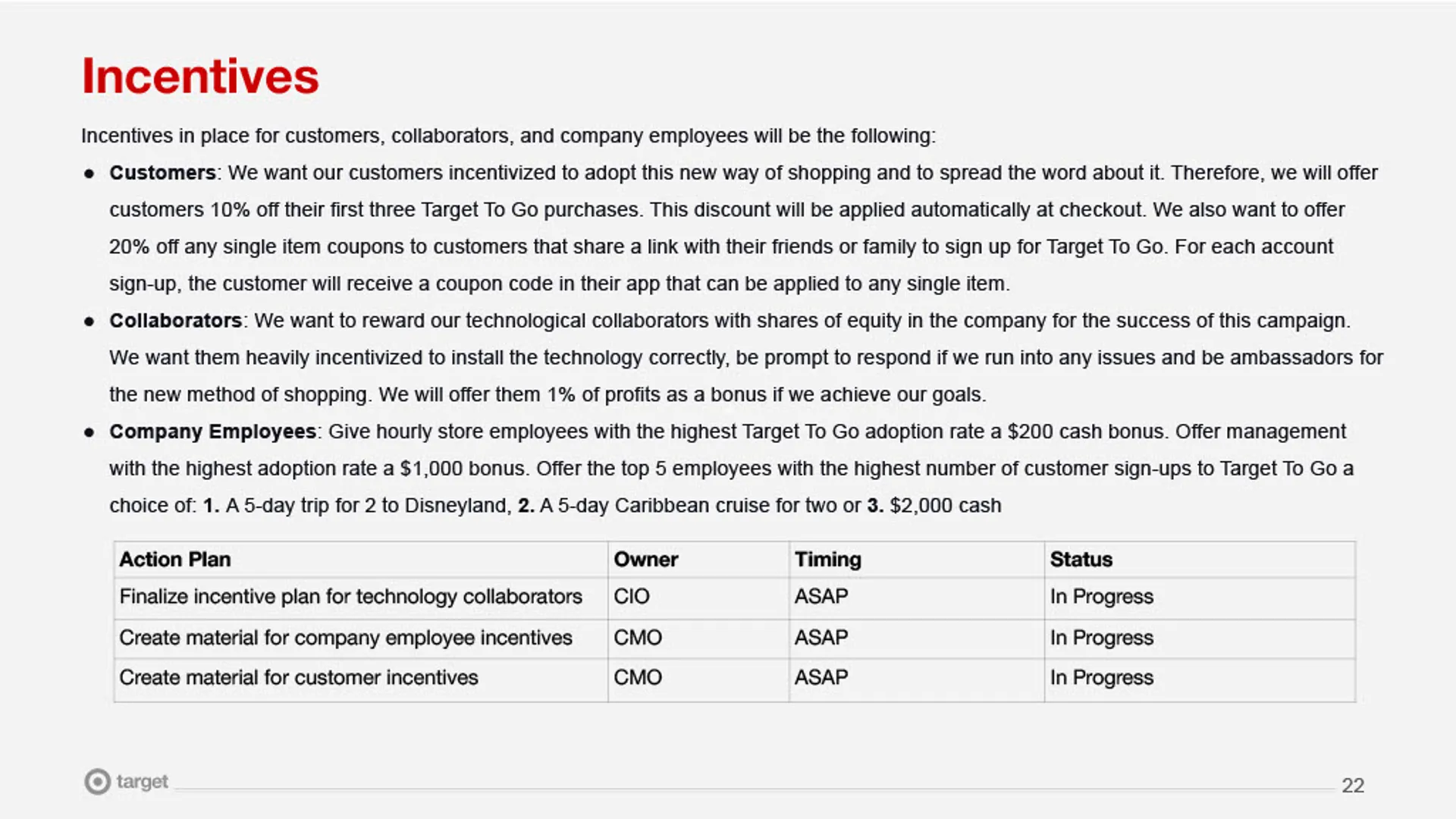
- Incentives for customers, partners, and employees to drive adoption.
Competitive
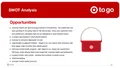
- Leverages Target's brand reputation, innovative culture, and omnichannel strengths.
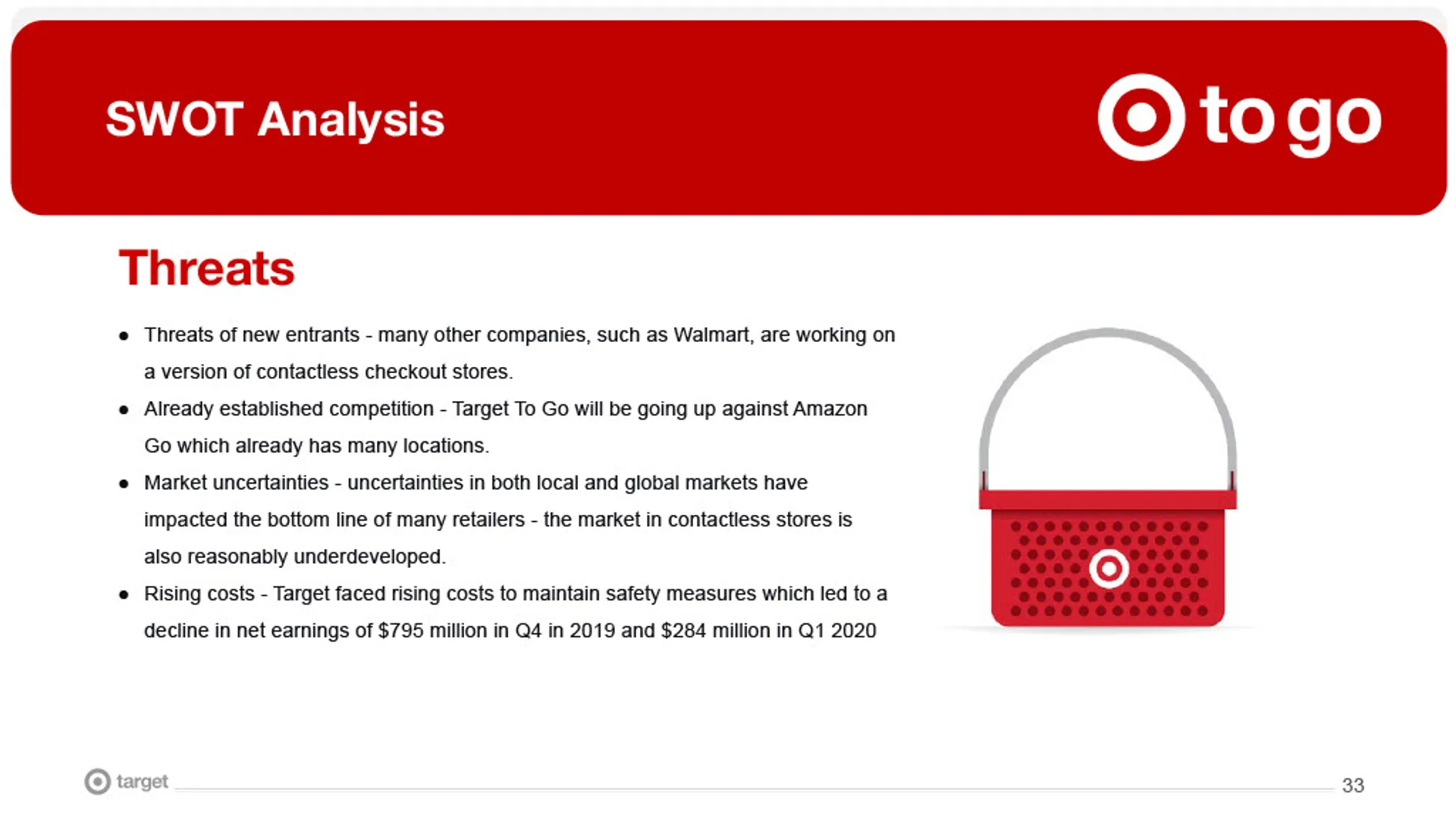
- Addresses market trends for contactless shopping and convenience.